By SpaceTime · Editorial team
What Terafab Is, and Why Intel Joined Musk’s Austin Chip Plan
Terafab is Musk’s AI chip buildout with Tesla and SpaceX; Intel’s 2026 partnership adds foundry weight—after Tesla’s 4680 battery ramp, what would realistic success look like?
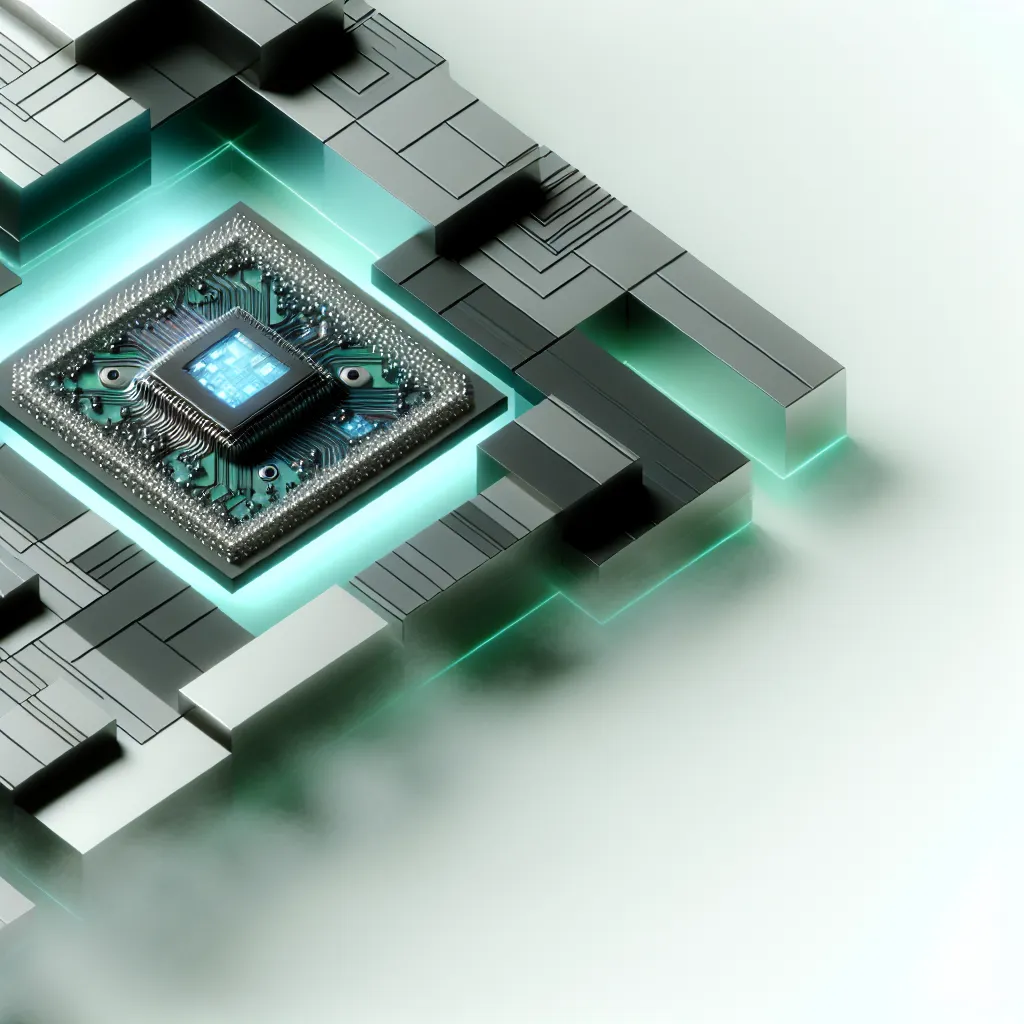
Semiconductor news moves fast, but some announcements still stop you mid-scroll. In early April 2026, Intel said publicly that it would join Terafab—Elon Musk’s sprawling plan to build serious AI chip manufacturing capacity alongside Tesla and SpaceX. The deal matters because it ties America’s most watched foundry turnaround story to one of the loudest bets on vertical integration in AI hardware.
This article separates what has been stated on the record from what is still ambition, and what engineers and investors should watch next.
What’s new
The public story comes in layers.
March 2026: Musk outlined plans for two advanced chip factories in the Austin, Texas area, linked to the broader Giga Texas footprint that already dominates headlines about Tesla manufacturing. In reporting from Reuters, Musk characterized the split in purpose: one facility oriented toward cars and humanoid robots, and another oriented toward AI workloads tied to space. That distinction matters. It is not one generic “AI fab.” It is an attempt to parallelize two different thermal, reliability, and software environments.
April 7, 2026: Intel announced it would join the Terafab project with SpaceX and Tesla. Reuters quoted Intel’s messaging that its involvement should help accelerate Terafab’s goal of producing on the order of one terawatt of compute per year to support advances in AI and robotics. Intel also framed the partnership in executive commentary as a bet on rethinking how logic, memory, and packaging come together—language that points at advanced nodes and heterogeneous integration, not only bare wafer output.
Corporate structure: Reuters also noted that SpaceX had recently merged with xAI, Musk’s AI company, which helps explain why “SpaceX” keeps appearing in chip headlines that readers might otherwise associate only with rockets. For supply-chain analysis, the practical point is simpler: capital and talent across transportation, launch, and consumer-facing AI are now entangled in procurement decisions that used to sit in silos.
Why it matters now
AI progress is not only a software story. It is a capacity story: wafers, packaging, power, cooling, and the calendar time to install tools like EUV scanners.
Musk’s companies already burn through accelerators and custom silicon. Terafab is a bet that owning more of the stack—or at least locking in domestic manufacturing partners—beats waiting in line at foreign foundries when every month of delay shows up in product roadmaps.
For readers who track markets, the tension is familiar. Ambitious fabs cheer bulls and worry anyone who remembers how often capex overruns and yield ramps define semiconductor reality. Terafab does not change physics. It changes who signs the checks and who waits in the queue.
The battery precedent: ambition versus ramp reality
Tesla has already run a large-scale “make it ourselves” manufacturing story that looked easier on stage than in the plant. After Battery Day in 2020, 4680 tabless cells and vertical battery integration were central to the roadmap for cost and supply security. In practice, trade reporting over the next several years described slow yield improvement, equipment and process unknowns, and a need to lean harder on external cell suppliers than early timelines implied. Reuters summarized process “unknowns” delaying the ramp of Tesla’s in-house cells; Reuters described Tesla tapping Asian partners to shore up supply as its own lines caught up. Later coverage tied Cybertruck production pressure to battery throughput, not only assembly lines. The point is not that the 4680 effort was worthless—Tesla did ship and iterate—but that announced capacity and actual output diverged for years, which is the risk template skeptics remember when they hear “Terafab.”
Semiconductors are not batteries: different physics, different tooling, different talent base. Terafab also differs in one important way from much of the 4680 story: Intel is meant to supply foundry depth—process know-how, supplier relationships, and manufacturing culture—rather than Tesla inventing a new process industry mostly from scratch.
Will Terafab succeed? A realistic frame
Binary predictions are usually wrong; fabs move on distributions, not headlines.
Reasons outcomes could beat the battery experience: a named foundry partner with existing tools and yield teams; customer pull from AI and defense-adjacent demand that did not exist at the same scale for 4680; potential to stage production (packaging first, older nodes, then leading edge) instead of betting everything on one new chemistry line.
Reasons caution still dominates: leading-edge logic is capital-dense and schedule fragile; EUV and specialty materials stay supply-constrained industry-wide; multi-company programs add interface and governance overhead; and headline goals like terawatt-scale compute are easy to repeat and hard to audit.
What “success” might look like in the real world: not a single moment when Terafab “wins,” but incremental proof—qualified processes, stable yields on agreed nodes, silicon in shipping products—that matches how adults already judge fabs. Underperformance would rhyme with the battery arc: slipped timelines, narrower scope than marketing language suggested, or continued dependence on outside foundries for the hardest layers.
None of that proves Terafab will fail or thrive. It does suggest the same discipline as any other megaproject: score the work on factory metrics, not narrative.
Technical angles engineers should track
Process and packaging: Intel’s public narrative around Terafab aligns with what the company already needs to prove externally: that Intel Foundry can win large, credible customers on leading-edge technology and advanced packaging, not only on slides. If Terafab moves from press releases to roadmaps, watch for disclosures on node targets, chiplet strategies, and test and assembly flows. Those details matter more than a headline capacity figure.
Two problem classes: Ground vehicles and humanoid robots push power envelopes, safety certification, and thermal cycling. Space-adjacent AI pushes radiation tolerance, link budgets, and repairability assumptions that look nothing like a hyperscale data center in Iowa. If Musk’s team truly runs two parallel factory thrusts, you should expect different IP blocks, different reliability testing, and different software bring-up timelines—even if some wafer steps share tools.
The “one terawatt per year” framing: Treat big numbers as directional, not audited production guarantees. Intel used that language in public communications summarized by Reuters. Translating watts of compute into wafer counts depends on chip architecture, process yield, and utilization—none of which are settled in an announcement.
Business and capital context
Intel gets a marquee narrative at a moment when its foundry division has been expensive to stand up. Anchor customers matter for depreciation schedules and for convincing the market that external foundry revenue is real.
Tesla and SpaceX get optionality: tighter coupling between vehicle AI, robotics, and launch-side compute plans—if execution holds.
Reporting in the same April window also tied SpaceX to IPO preparation chatter. WorldCube does not predict offering prices. The relevant point for Terafab is simpler: public markets reward stories, but fabs are graded on yield curves and quarterly utilization, which are slower and less forgiving than social media timelines.
What to watch without buying the hype
If you are evaluating this as an engineer or investor, prioritize milestones you can verify:
- First tapeouts and packaging yields, not slide decks
- Job postings for specific roles in yield engineering, EUV operations, and OSAT integration
- Supplier filings and earnings-call language that matches public announcements
- Independent teardowns once silicon ships in products
Terafab is interesting because it tries to compress design, manufacturing, and deployment for multiple industries under one strategic umbrella. The battery arc already showed how much distance can sit between a roadmap and steady output; fabs will test the same patience at higher stakes.
Sources and references
- Reuters, “Musk says SpaceX, Tesla to build advanced chip factories in Austin” (March 22, 2026): reuters.com
- Reuters, “Intel joins Musk’s Terafab AI chip project” (April 7, 2026): reuters.com
- Reuters, “Musk plans Tesla mega AI chip fab, mulls potential Intel partnership” (November 7, 2025): reuters.com
- Reuters, “‘Unknowns’ delay Tesla’s ramp-up of its own cutting-edge batteries” (July 21, 2022): reuters.com
- Reuters, “Exclusive: Tesla taps Asian partners to address 4680 battery concerns” (March 10, 2023): reuters.com